Wondering whether Isle of Palms makes more sense as your everyday home or your escape-from-it-all beach place? That is a smart question, because this barrier island truly serves both roles. If you are weighing a full-time move, a second home, or a property you may use part of the year, understanding how the island works day to day can help you make a better decision. Let’s dive in.
Isle of Palms Has Two Rhythms
Isle of Palms is both a residential community and a visitor destination, and the city’s own planning documents reflect that balance. That matters because your experience on the island can feel very different depending on whether you are there in the middle of July or a quieter stretch of the year.
The island spans seven miles and has a mix of full-time homes, part-time properties, and short-term rentals. In other words, this is not a place that fits neatly into one category. It is a coastal community that shifts with the season.
For some buyers, that dual identity is exactly the appeal. You get a true beach setting with city services, local events, and recreation, while still having the convenience and energy that come with a popular coastal destination.
Full-Time Living on Isle of Palms
If you are considering Isle of Palms as your primary home, it helps to think beyond the beach. Full-time living here means plugging into a functioning small city with regular services, community amenities, and a year-round routine.
Daily Services Support Residents
For a barrier island, Isle of Palms offers a fairly complete municipal service structure. Public works handles garbage, yard debris, beach maintenance, drainage, street signs, and rights-of-way.
That may sound basic, but it is a meaningful part of everyday livability. Recycling runs every other Thursday, and summer garbage pickup happens twice weekly, which gives you a sense of how the city adjusts operations around the season.
Recreation Is Available Year Round
The city also offers recreation amenities that support daily life, not just vacation fun. These include a cardio room, gym, playground, pickleball and tennis courts, a library, and programming for adults, youth, and seniors.
That gives full-time residents options beyond the shoreline. At the same time, some amenities are shared with seasonal programming, so schedules can shift. For example, summer open-gym hours are limited during camp season.
Community Life Extends Beyond Summer
One of the clearest signs that Isle of Palms works as a full-time community is its event calendar. City events include a speaker series, Front Beach Fest, a community yard sale, Farmers Market & Food Truck Jam dates, the IOP Beach Run, a Halloween Carnival, and a Holiday Street Festival.
That kind of programming creates a civic rhythm that continues through the year. If you want a place that still feels active after peak tourist season ends, that is an important point in favor of full-time living.
Public Schools Are Through Charleston County
If your household is planning around public education, Charleston County School District is the relevant district. According to the district, it serves about 50,000 students in 88 schools and specialized programs across roughly 1,300 square miles.
For buyers, that means Isle of Palms is connected to a large countywide public school system rather than a small island-only district. If schools are part of your search, it is worth reviewing district options and assignment details as part of your home search process.
Vacationing on Isle of Palms
If you picture Isle of Palms as your weekend retreat or second-home destination, the island offers a lot of convenience. Vacation use here is shaped by easy beach access, visitor amenities, and a setup designed to support seasonal demand.
Beach Access Is a Major Draw
The beach itself is the headline feature. Isle of Palms has seven miles of shoreline, and the city notes there are more than 50 beach access paths.
Front Beach, located on Ocean Boulevard between 10th and 14th Avenues, includes public restrooms, parking, restaurants, and shops. The city also notes ADA-accessible access paths and multiple handicapped parking locations, which adds practical convenience for many visitors and owners.
Visitor Amenities Add Flexibility
The renovated public dock at 50 41st Avenue is another benefit for part-time use. It is open daily from sunrise to sunset and can be used for kayaking, paddleboarding, fishing, sunset viewing, and dolphin watching.
That kind of amenity supports the classic second-home lifestyle many buyers want. You can arrive for a long weekend and step right into outdoor time without needing a complicated routine.
Peak Season Brings Crowds and Traffic
Vacation convenience also comes with tradeoffs. From March 1 through October 31, city lots and Front Beach on-street spaces are paid parking.
The city’s seasonal planning also notes that holiday traffic can exceed 25,000 vehicle trips on especially busy days like Memorial Day and July 4. If you are buying for vacation use, that may not be a dealbreaker, but it should be part of your expectations.
Beach Rules Matter
The beach experience is carefully managed by the city. Isle of Palms prohibits glass, alcohol, smoking and vaping, and several single-use items on the beach and along access paths.
If you are using the home as a getaway property, knowing these rules ahead of time helps avoid frustration. It also shows how the city works to protect the beach and manage heavy use.
How Housing Type Changes the Decision
Not every property on Isle of Palms fits every lifestyle equally well. The island has a broad mix of housing, and the right choice often depends on how often you plan to use the property and how much day-to-day functionality you need.
Condos and Cottages for Lock-and-Leave Use
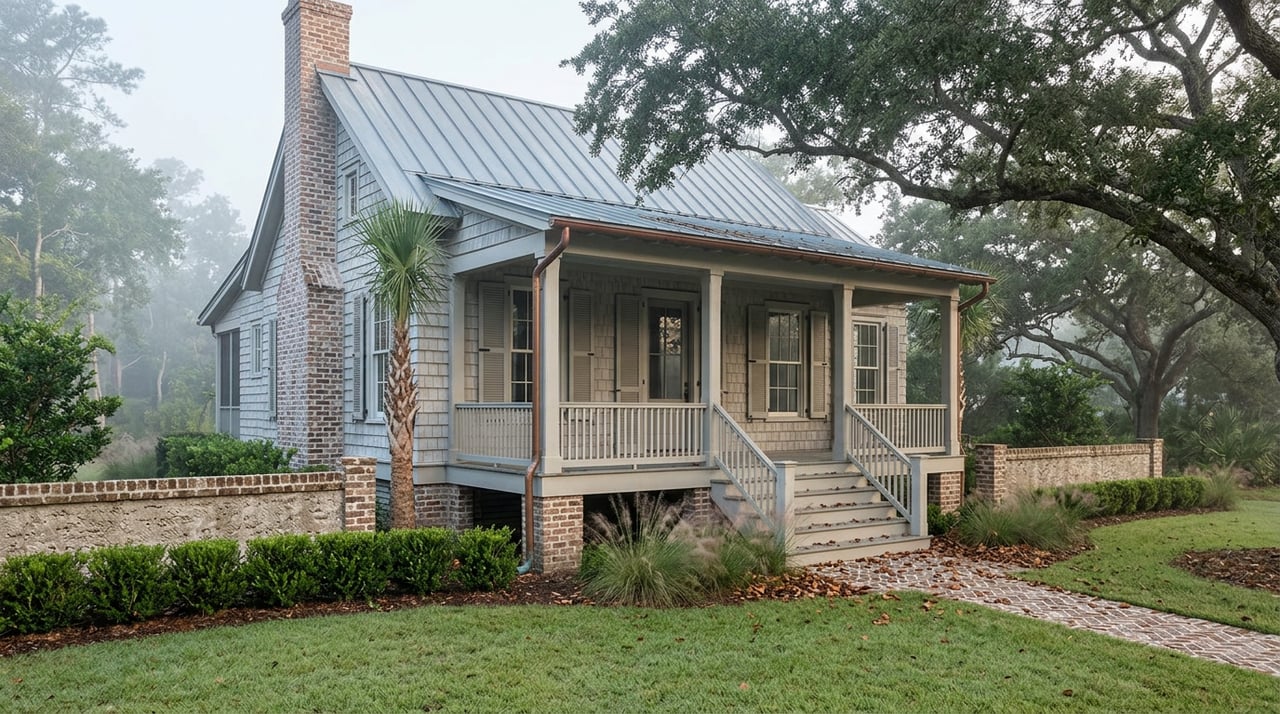
The city describes the market as ranging from condos and cottages to oceanfront homes with marsh, golf, ocean, and water views. Smaller homes, condos, and villas often make sense for buyers who want simpler upkeep and easier arrival-and-departure routines.
If you are planning to visit on weekends, holidays, or for part of the year, that kind of setup can be attractive. Less space often means less maintenance and less to manage between stays.
Larger Homes for Everyday Living
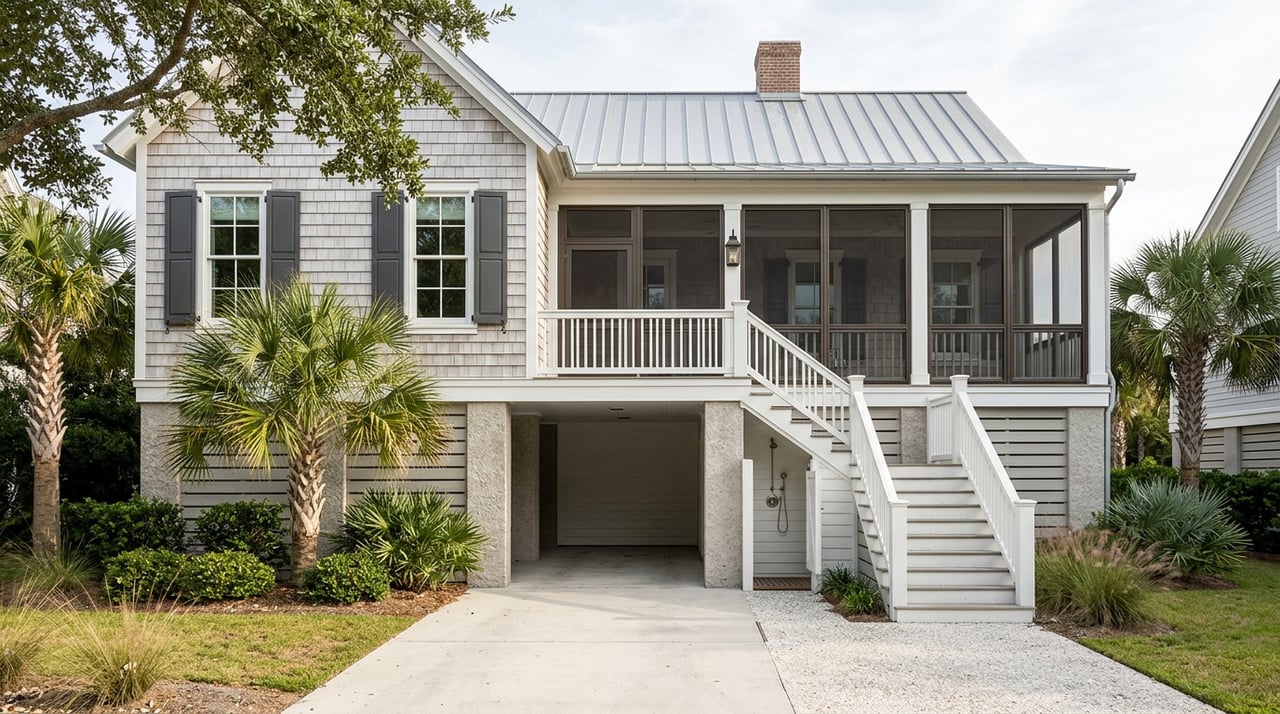
Larger single-family homes often make more sense for full-time living. In practical terms, everyday life usually benefits from more storage, more parking, and a more predictable home base.
That does not mean a condo cannot work full time or that a large house cannot be a second home. It simply means your layout, storage needs, and daily routine should guide the decision just as much as the view or proximity to the beach.
Rental Use Comes With Rules
Some buyers want a property they can enjoy personally while also renting it out at times. On Isle of Palms, that requires careful attention to local rules.
Licensing Is Required
The city requires a business license for residential units rented for any length of time. That is an important point for second-home buyers and investors who assume occasional renting is informal or automatic.
Before you buy with rental plans in mind, you need to understand exactly what the city requires. Rules can affect how you use the property and how much hands-on oversight you will need.
Short-Term Rental Standards Affect Operations
The city’s short-term rental rules include occupancy limits, require whole-unit rentals for single-family homes, and require a local 24/7 contact who can respond onsite within an hour. Those are not small details.
If you live elsewhere, managing a rental property on the island may take more structure than you expect. For some owners, that is manageable. For others, it is a sign that a pure personal-use second home may be the better fit.
Flood Planning Matters Either Way
Whether you live on Isle of Palms full time or only visit part time, resilience should be part of your decision. The city notes that many properties are either in or very near a flood plain.
That means flood insurance, drainage, and stormwater management are part of the ownership conversation. A beautiful coastal property can still be the right move, but you want to go in with a clear understanding of how the island’s environment affects long-term ownership.
For full-time residents, that may shape your day-to-day preparedness and maintenance planning. For second-home owners, it may shape how you think about insurance, vacancy periods, and seasonal readiness.
Which Lifestyle Fits You Best?
If you want a beach community with year-round services, local events, recreation, and a more rooted daily routine, full-time living on Isle of Palms may be the stronger fit. You are not just buying shoreline access. You are buying into an active coastal community.
If you want convenience, beach access, and a place to unplug for weekends and holidays, vacation use may be the better match. In that case, the island’s public amenities, access points, and seasonal energy become part of the appeal.
The key is being honest about how you will actually use the property. Your ideal choice depends less on what sounds good in theory and more on whether you need a home base, a retreat, or a blend of both.
If you are weighing full-time living versus a second home on Isle of Palms, working with a local advisor can help you narrow the options by lifestyle, property type, and long-term goals. To talk through what fits your plans in the Charleston area, connect with Erin Hanhauser.
FAQs
Is Isle of Palms better for full-time living or a second home?
- Isle of Palms can work well for either, since it has year-round city services and community amenities while also offering strong beach access and visitor infrastructure.
What is full-time life like on Isle of Palms?
- Full-time living on Isle of Palms includes regular public services, recreation amenities, city events throughout the year, and access to the Charleston County School District.
What makes Isle of Palms appealing for vacation use?
- Vacation use on Isle of Palms is supported by seven miles of beach, more than 50 beach access paths, Front Beach amenities, and the public dock for outdoor activities.
Are there busy seasons on Isle of Palms?
- Yes. Spring and summer, especially holiday weekends, bring heavier traffic, paid parking in key beach areas, and higher visitor activity.
Can you rent out a home on Isle of Palms?
- Yes, but Isle of Palms requires a business license for residential rentals and has specific short-term rental rules, including occupancy limits and a required 24/7 local contact.
Do flood concerns matter for Isle of Palms homes?
- Yes. The city says many properties are in or near a flood plain, so flood insurance and resilience planning are important for both full-time and part-time owners.