Selling a beach home on Sullivan’s Island is not just about putting a sign in the yard and waiting for the right buyer. In a small, high-value coastal market, buyers look closely at condition, documentation, and how confidently a home is presented. If you want to stand out, reduce buyer hesitation, and protect your pricing power, thoughtful preparation matters. Let’s dive in.
Why preparation matters on Sullivan’s Island
Sullivan’s Island is a small barrier-island market with limited inventory and limited turnover. The Town describes the island as about 2 1/2 miles long, about 1/2 mile wide, low-lying, and entirely within a Special Flood Hazard Area. That setting shapes how buyers evaluate risk, maintenance, and long-term ownership.
Current market snapshots also show why details matter. Recent data points to a median sale price around $4.7 million, about 85 to 94 median days on market, and a 96.5% sale-to-list ratio. With only a small number of homes available and a meaningful share of listings seeing price drops, sellers often do best when they launch with strong presentation and realistic pricing from day one.
Start with pre-list due diligence
Before you think about paint colors or pillows, gather the documents that help a buyer feel informed. On Sullivan’s Island, that often means collecting flood-related paperwork, permit history, and any records tied to repairs or improvements. In a market like this, reducing uncertainty can make your home easier to evaluate and easier to trust.
The Town says elevation certificates are maintained for new and substantially improved structures since 1977, and copies can be obtained through Charleston County Government. It also notes that the Building Official can provide free site visits to identify problem areas and offer flood-damage prevention tips. If you have a beach home to sell, these records can become part of a cleaner, more confident listing package.
Documents to gather early
- Elevation certificate
- Flood insurance declarations
- Prior permit records
- Records of drainage or flood-mitigation work
- Documentation for major repairs, replacements, or renovations
- Any approvals tied to historic review, if applicable
Consider a pre-list inspection
A pre-sale inspection is not required, but it can help you uncover issues before a buyer does. National guidance for sellers highlights systems and features such as the roof, exterior, plumbing, electrical, HVAC, interiors, ventilation, insulation, fireplaces, and possible mold or environmental concerns. For a Sullivan’s Island beach house, moisture, salt exposure, and weather wear often deserve extra attention.
The most useful pre-list inspection findings are usually practical. You may learn that the roof needs attention, the HVAC or dehumidification system is underperforming, windows and doors need adjustment, or drainage around the property could be improved. Even if you choose not to complete every repair, getting estimates ahead of time helps you prepare for pricing discussions and buyer questions.
Areas buyers may scrutinize most
- Roof condition
- HVAC and dehumidification performance
- Windows and doors
- Drainage patterns
- Signs of moisture intrusion
- Exterior wear from salt air and coastal exposure
Check permits before making updates
On Sullivan’s Island, even modest work may require review or permitting. The Town says permits may be required for additions, repairs, remodeling, concrete work, excavation, filling, bulkheading, pile driving, clearing, and fences. That means a quick pre-list improvement project is not always as simple as it looks.
If your home is designated historic or located in a historic overlay district, there may be another layer of review. The Town says the Design Review Board reviews and approves new construction and renovations, and changes to a designated historic property require a Certificate of Appropriateness plus a building permit. Before you spend money on exterior updates, it is worth confirming what approvals may apply.
Keep coastal rules in mind for exterior work
Oceanfront and near-beach homes often have additional considerations. South Carolina coastal rules establish beachfront baseline and setback lines, and certain activities involving structures, pools, landscaping, fencing, decks, and service lines may require authorization. The state review cycle is active from 2024 through 2027, and the minimum setback distance is 20 feet.
That matters because some seller projects that feel cosmetic can become more complicated near the beach. The local beach-management plan also notes restrictions connected to erosion-control devices and states that no new pools are allowed in the setback area. If you are thinking about improving the exterior before listing, it is smart to verify whether the work is straightforward or subject to coastal review.
Follow a smart prep timeline
Luxury coastal homes usually benefit from a longer runway. If you wait until a few weeks before listing, you may feel rushed by repairs, paperwork, staging, and media. A more measured timeline gives you room to make better decisions and avoid last-minute surprises.
A practical seller sequence is to start 12 to 18 months ahead by pulling records, checking permit history, verifying historic status, and ordering a pre-list inspection. Then, 6 to 9 months out, complete any needed repairs and approvals. In the final 30 to 60 days, focus on deep cleaning, decluttering, staging, and photography.
Suggested seller timeline
| Timing | Priority |
|---|---|
| 12-18 months out | Gather flood and permit records, verify historic status, order inspection |
| 6-9 months out | Complete repairs and secure any needed approvals |
| 30-60 days out | Deep clean, declutter, stage, and produce listing media |
Stage for a bright, low-maintenance feel
Staging helps buyers picture themselves in a home. Recent industry data found that 83% of buyers’ agents said staging makes it easier for buyers to visualize a property as a future residence. The rooms that tend to matter most are the living room, primary bedroom, and kitchen.
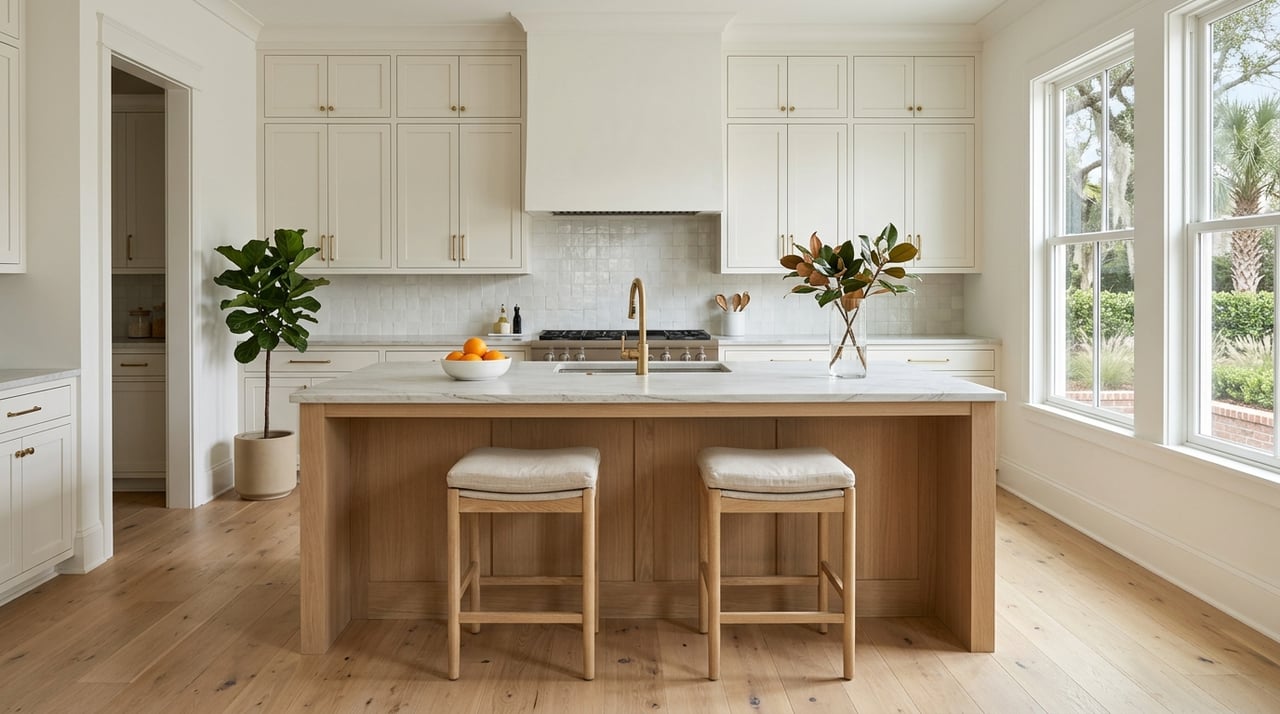
For a Sullivan’s Island beach home, the goal is usually not to over-theme the property. Instead, buyers tend to respond well to interiors that feel fresh, bright, dry, and easy to maintain. Clean windows, open shades, lighter styling, and less visual clutter can help the home feel airy both in person and online.
Staging priorities for a beach home
- Edit personal items and excess furniture
- Clean windows, walls, lighting, and floors
- Use neutral paint where touch-ups are needed
- Highlight the living room, kitchen, and primary bedroom
- Keep decor simple, polished, and coastal without feeling overly themed
Don’t overlook outdoor presentation
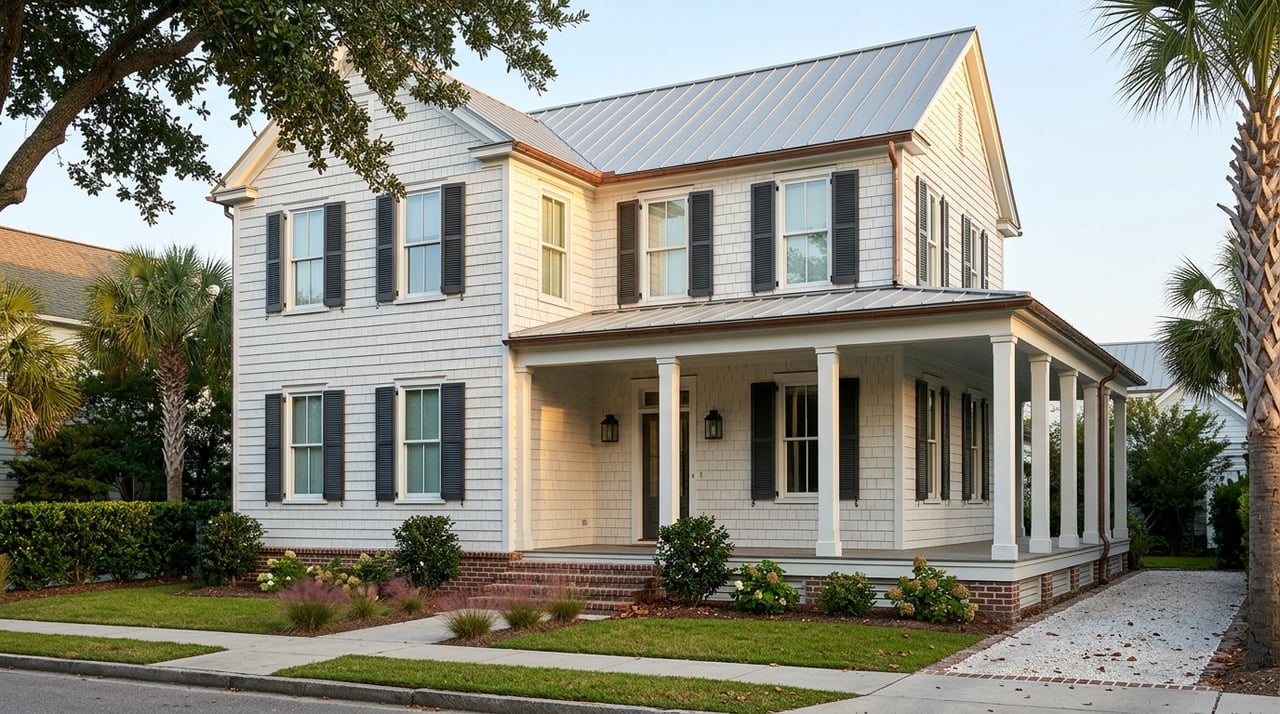
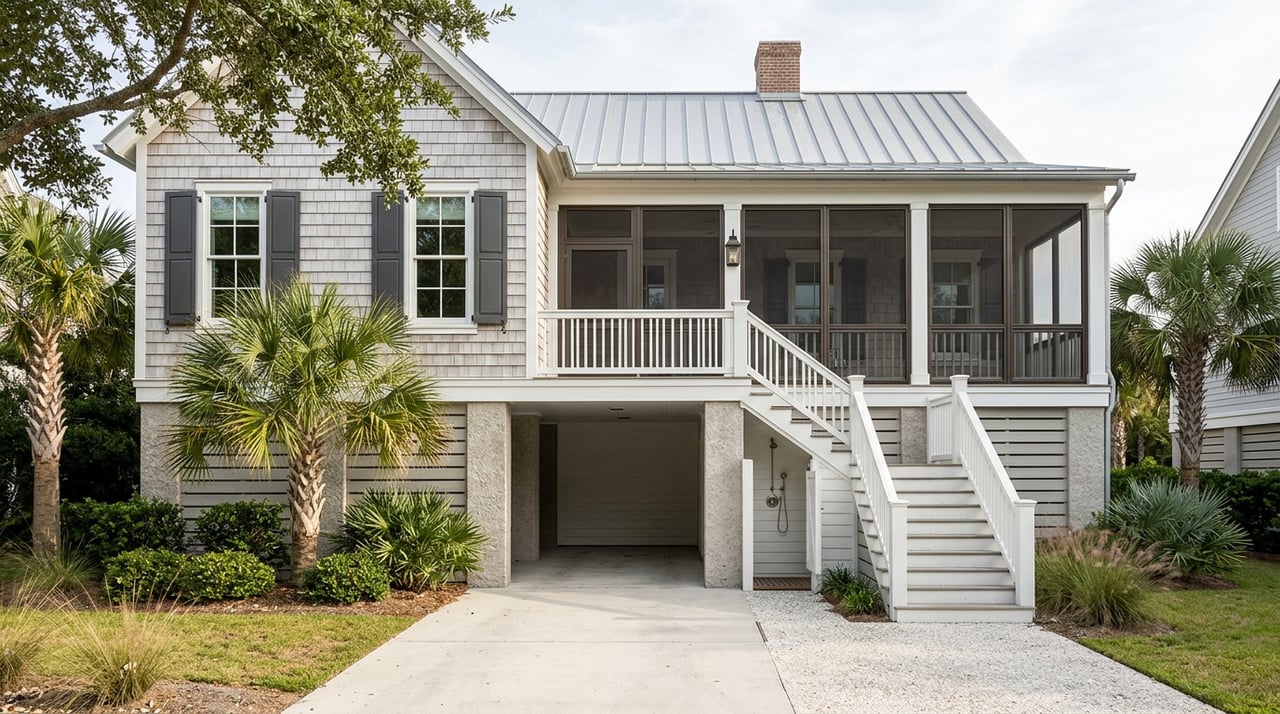
With a beach property, the exterior is part of the sale. Buyers are not only evaluating the house itself. They are also noticing the entry, porch, deck, hardscapes, and how easily they can move through the outdoor spaces.
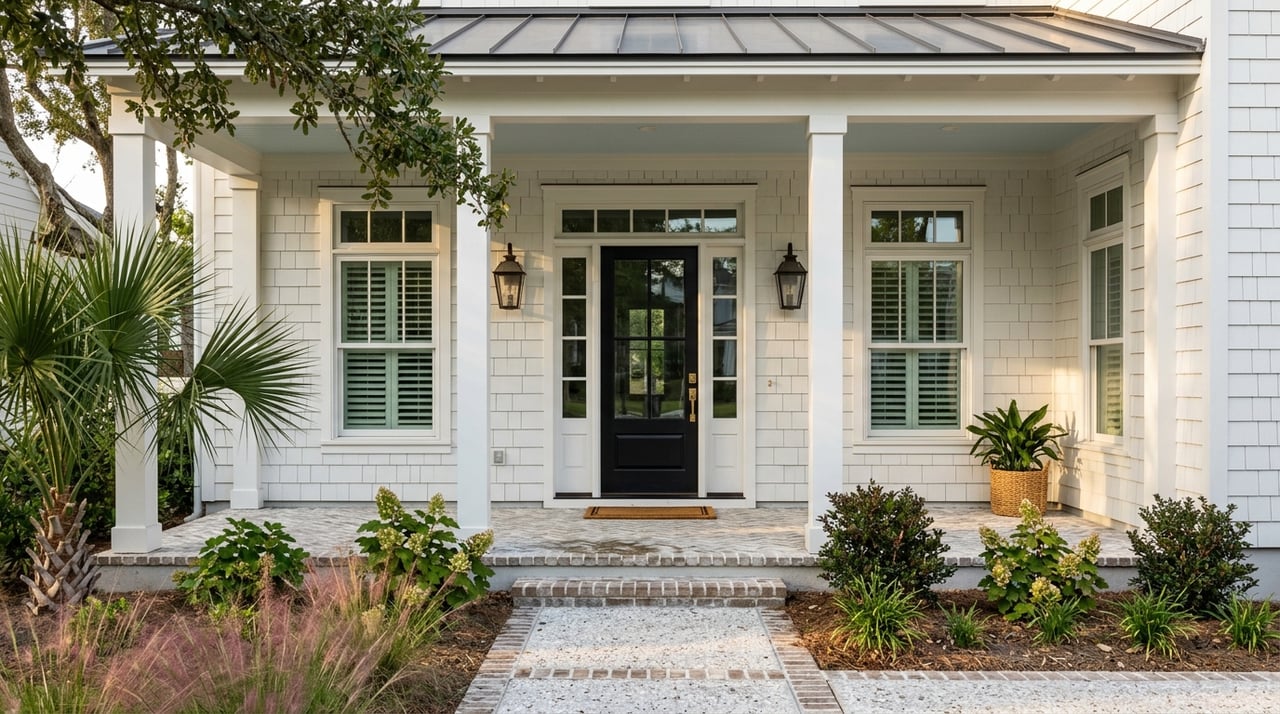
A polished outdoor presentation can make the home feel better maintained and easier to enjoy. Clear walkways, organized outdoor furniture, tidy landscaping, and a clean arrival sequence can strengthen the first impression. On an island where flood and coastal conditions are part of ownership, buyers often value signs of consistent care.
Treat photography and video like core strategy
In a luxury market, media should never be an afterthought. Strong listing photos, video, and 3D tours can shape whether a buyer books a showing or moves on. The first few images matter especially because they create the online first impression.
Professional photography can help your home look brighter, cleaner, and more spacious. Decluttering, opening shades, and making every room camera-ready before the shoot can improve the final result. On Sullivan’s Island, where buyers may compare a very small number of available homes, polished media can create an important edge.
There are also local rules to keep in mind for larger productions. The Town notes that film permits are required for filming projects, while portrait and still photography are excluded, and commercialized activity is not allowed on beaches or beach paths. A standard listing shoot on private property is usually more straightforward, but it is still wise to confirm the setup before using beach access points, drones, or expanded production elements.
Price with precision, not optimism
Pricing a Sullivan’s Island home requires more than looking at townwide averages. Recent market data shows a median sale price near $4.7 million, a buyer’s market label from Realtor.com, and a notable share of homes with price drops. In a thin market with only a small number of active listings, overpricing can cost momentum.
The most useful pricing approach is usually highly specific. Condition, lot size, elevation, water access, renovation level, and the quality of your documentation can all influence buyer perception and value. If two homes look similar at first glance but one has cleaner records, stronger maintenance, and a more polished presentation, buyers may see them very differently.
Aim to reduce buyer uncertainty
At this price point, buyers are not only buying square footage or location. They are buying confidence. The more clearly you can present your home’s condition, documentation, maintenance story, and lifestyle appeal, the easier it becomes for a buyer to move forward.
That is why preparation on Sullivan’s Island tends to work best as a coordinated process rather than a checklist of random tasks. When you combine due diligence, thoughtful repairs, strong staging, polished media, and disciplined pricing, your home is better positioned to compete in a selective coastal market.
If you are thinking about selling a beach home on Sullivan’s Island, a thoughtful, boutique approach can make the process feel much more manageable. For guidance on preparing, positioning, and presenting your property with care, connect with Erin Hanhauser.
FAQs
What documents should you gather before selling a Sullivan’s Island beach home?
- You should start with the elevation certificate, flood insurance declarations, prior permit records, records of drainage or flood-mitigation work, and documentation for major repairs or renovations.
Should you get a pre-list inspection for a Sullivan’s Island home?
- A pre-list inspection is optional, but it can help you identify issues early, estimate repair costs, and prepare for buyer questions about condition.
Do repairs or exterior updates on Sullivan’s Island require permits?
- They may, because the Town says many types of building and development work can require permits, including repairs, remodeling, concrete work, clearing, and fences.
How should you stage a Sullivan’s Island beach house before listing?
- Focus on a clean, bright, uncluttered look that highlights the living room, kitchen, primary bedroom, and outdoor spaces without making the decor feel overly personal or heavy.
When is the best time to list a Sullivan’s Island beach home?
- Timing varies, but a practical approach is to be photo-ready and launch-ready before Atlantic hurricane season begins on June 1, then choose the final list date based on readiness, inventory, and buyer traffic.
Why is pricing so important in the Sullivan’s Island market?
- Pricing matters because the market is small and segmented, buyer expectations are high, and overpricing can lead to longer market time, price reductions, and less negotiating power.