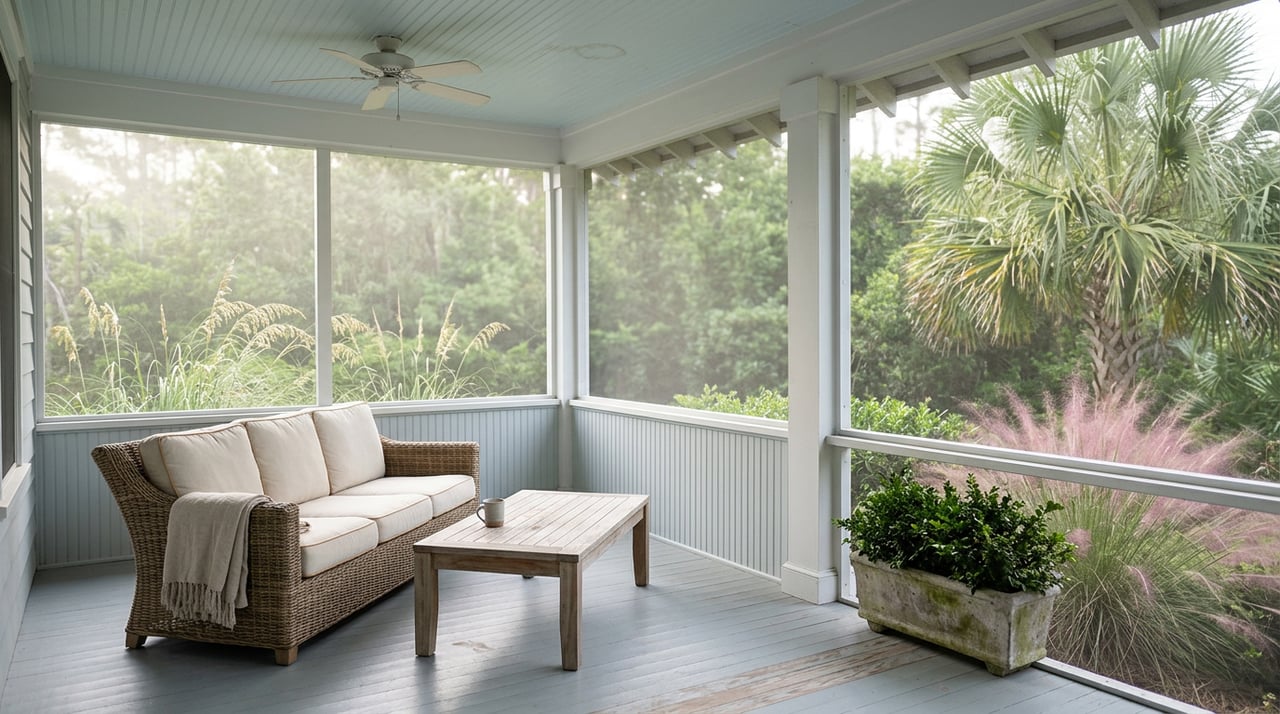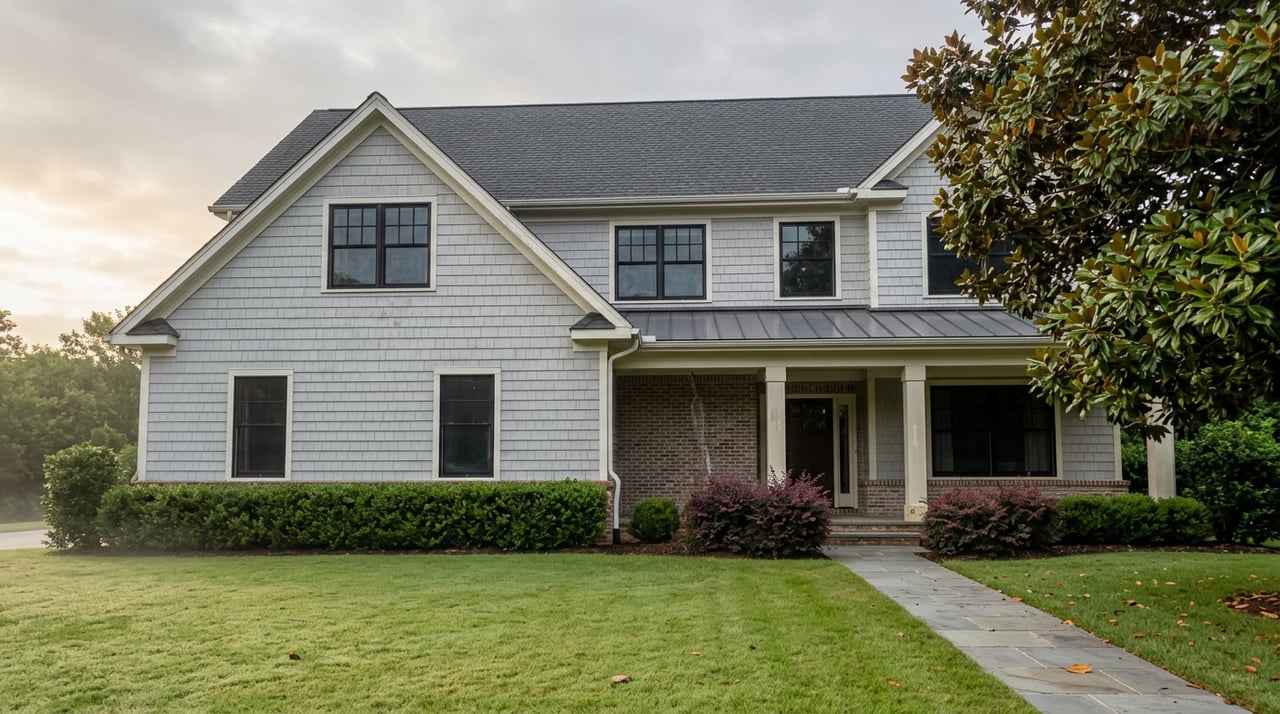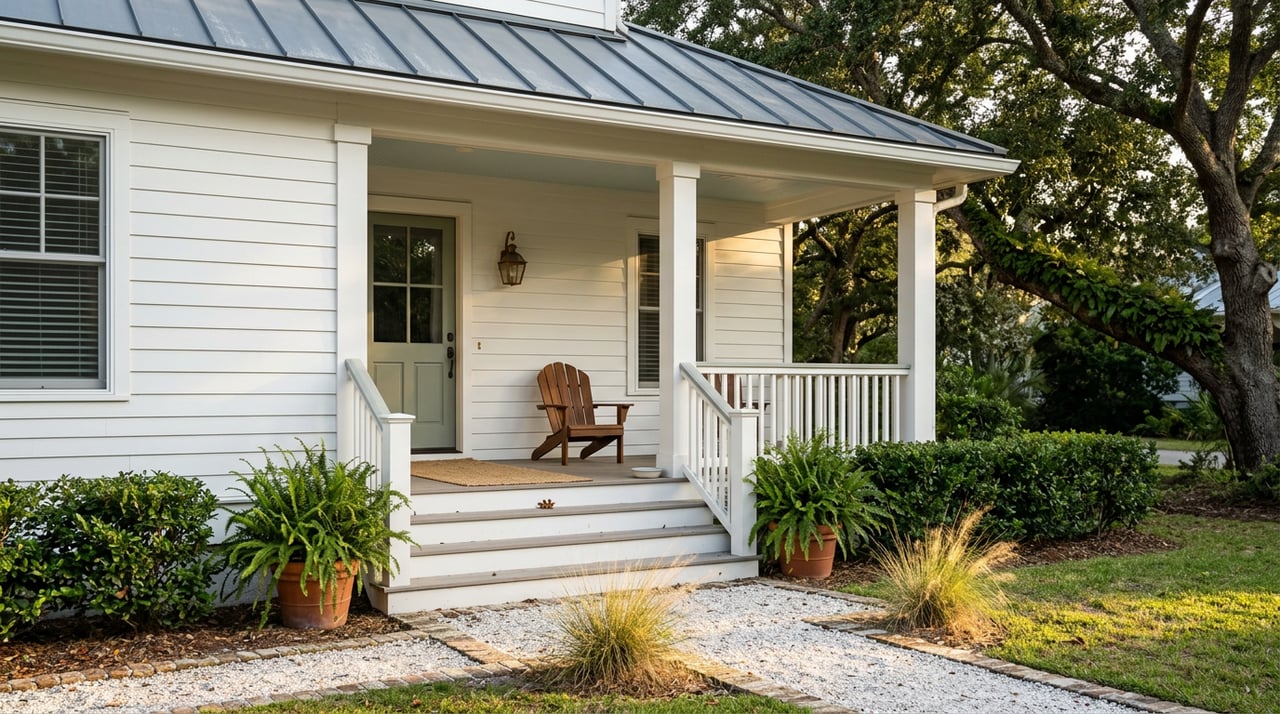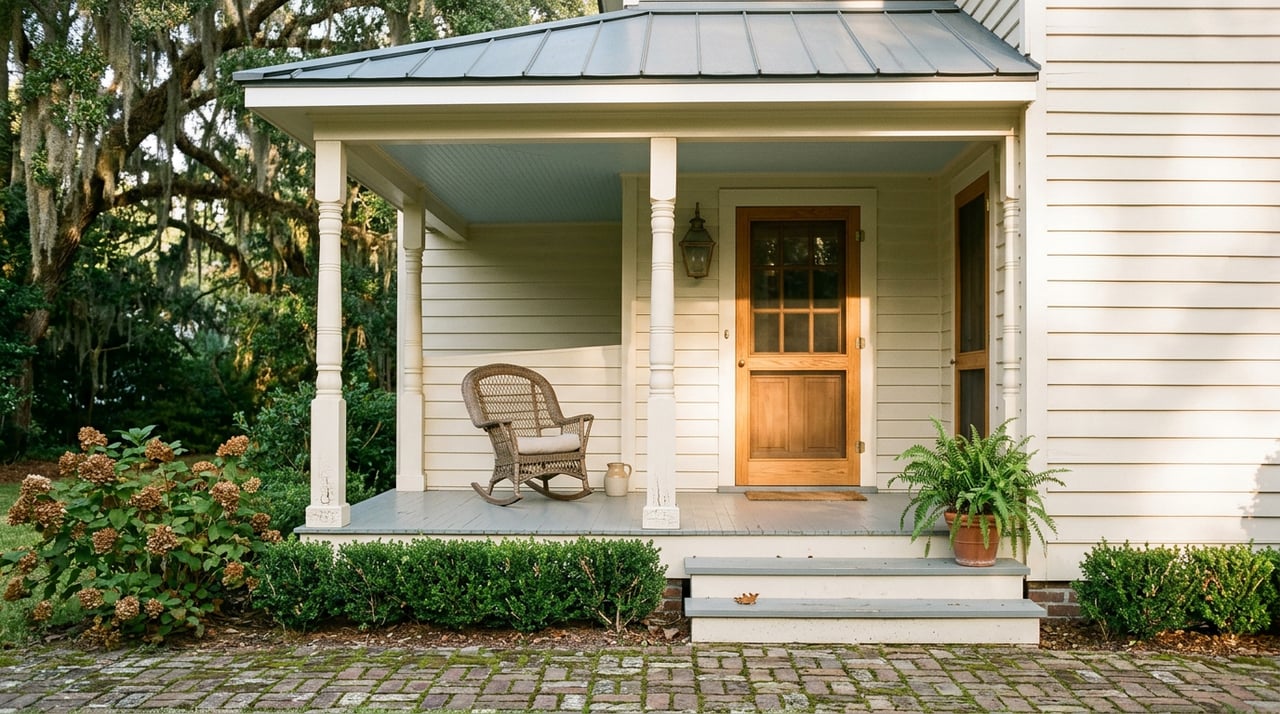
Johns Island has a pull that is hard to fake. You may be drawn to the trees, the bigger skies, the slower pace, or the simple idea that home should feel a little more open and grounded. If you want to buy here without waking up one day and realizing the “rural feel” you loved is disappearing around you, the good news is this: there are smart ways to shop for that lifestyle. Let’s dive in.
Why Johns Island Feels Different
Johns Island is growing, and the numbers make that clear. The City of Charleston’s 2026 fast facts estimate 15,117 residents on Johns Island, up from 11,884 in the 2020 Census and 5,266 in 2010. The same source shows 188 residential unit permits issued in 2025, which signals that development pressure is still active.
At the same time, not every part of Johns Island is being treated the same way. Charleston County’s Greenbelt program notes that portions of the island are still in the Rural Area outside the Urban/Suburban Growth Boundary. Unincorporated Johns Island is also classified by the county as a Stormwater Special Protection Area, which adds another layer to how land is developed and maintained.
That matters because buying on Johns Island is not as simple as choosing between “country” and “suburban.” In practice, you are often choosing between different zoning patterns, utility setups, overlay districts, and development rules that shape how a place will feel over time.
Start With Planning, Not Just the House
If preserving a rural feel is your goal, the home itself is only part of the decision. You also need to understand how the parcel and surrounding area are regulated. Two homes that look similar online can sit in very different planning environments.
A property may feel quiet today but still be near a corridor targeted for infrastructure upgrades or future development. Another may sit in an area where the county is intentionally preserving a lower-density pattern. That is why a thoughtful home search on Johns Island should begin with land-use context, not just finishes, price, or acreage.
Zoning Shapes the Rural Feel
One of the biggest buyer mistakes on Johns Island is assuming the whole island follows the same lot pattern. It does not. Lot sizes vary widely depending on zoning and whether public water and sewer are available.
For example, county zoning materials show that AG-10 allows one principal dwelling unit per 10 acres, with a minimum lot area of 1 acre. In contrast, the Johns Island Maybank/Main Road workshop materials show the Rural Commercial district at a 30,000 square foot minimum lot area and one dwelling unit per acre.
There are also more suburban-style standards in certain pockets. In the R-4 district, minimum lot area can be as small as 5,000 square feet when public water and sewer are available, 10,000 square feet with only one utility, and 14,500 square feet without public water and sewer.
What does that mean for you? A listing with a Johns Island address does not automatically equal a wide-open setting. The zoning district, utility assumptions, and overlay rules will tell you much more about how the property may feel now and later.
Questions to Ask About Zoning
Before you fall in love with a property, ask:
- Is this parcel in the county Rural Area or in a more urban or suburban pocket?
- What zoning district applies to the property?
- Is the property inside an overlay district?
- What is the minimum lot area in this district?
- Do public water and sewer change what can be built nearby?
These questions can help you avoid buying into a setting that looks rural today but is more flexible for future density than you expected.
Overlay Districts Matter More Than Buyers Expect
On Johns Island, corridor planning has become a major part of the conversation. Charleston County and the City of Charleston began a joint Maybank/Main Road overlay project in 2018, and overlay districts were adopted in 2020 and 2021.
The county’s Main Road ordinance describes the corridor as a major thoroughfare with a mixed land-use pattern and a need for traffic-safety measures and better design standards. The overlay exists in part because the corridor lacked a cohesive land-use pattern and had limited bicycle and pedestrian infrastructure.
This is important because overlays can influence the long-term feel of an area even if the home itself checks every box today. Some sections are guided toward rural-residential standards, while others are shaped by broader corridor planning goals.
The same ordinance specifically preserves the Kitford Road community by applying rural-residential standards to the remaining Kitford parcels. That is a good example of how the island’s “rural feel” is often being managed block by block, not island-wide.
Open Space Can Matter More Than Yard Size
Many buyers picture rural living as a very large private lot. On Johns Island, that can be part of the story, but it is not the whole story. In some communities, the open feel comes from preserved land, common open space, and conservation tracts rather than from each homeowner owning several acres.
Large planned developments show this clearly. Kiawah River covers 1,427 acres and preserves at least 635.31 acres as open space or common open space. Orange Hill, adopted in 2025, covers 933.097 acres and includes about 800 acres of recreational and natural areas.
For buyers, this means a community can feel green and spacious even if your individual homesite is not especially large. It also means you should look closely at how that open character is preserved and who is responsible for maintaining it.
Rural Does Not Mean No Rules
This is one of the biggest surprises for buyers coming from other markets. A rural setting on Johns Island does not always mean fewer restrictions. In newer communities, HOA or POA expectations may be more involved than buyers expect.
Kiawah River’s development agreement defines covenants and common area, and its open-space provisions allow land to be owned and maintained by an association or related entity. Orange Hill’s 2025 agreement uses restrictive covenants to keep a 212.30-acre conservancy tract in a natural state.
That structure can help preserve character, but it can also create obligations that affect your day-to-day life and monthly costs. Before you buy, review the recorded covenants and restrictions carefully.
What to Review in HOA or POA Documents
Look for details about:
- Architectural review requirements
- Rental limitations
- Private-road or shared-driveway maintenance
- Drainage and pond maintenance responsibilities
- Landscaping standards
- Tree preservation rules
- Boat or RV storage limitations
- Open-space ownership and upkeep
If your goal is a lower-maintenance, less-regulated lifestyle, these details matter just as much as the home’s floor plan.
Watch Future Roads and Infrastructure
If you are trying to protect a rural feel, future development and infrastructure may be the biggest risk of all. Johns Island’s growth story is tied closely to transportation, drainage, and corridor improvements.
Charleston County opened a 2025 public process for Main Road Segment A, a 2.4-mile project from Bees Ferry Road to River and Chisolm roads. The stated goals include reducing congestion, adding safer bicycle and pedestrian access, and improving stormwater drainage.
SCDOT is also evaluating a River Road bridge replacement over Burden Creek on Johns Island. Projects like these can improve daily function, but they can also change traffic patterns, access, noise, and the character of nearby areas over time.
That does not mean you should avoid these locations automatically. It means you should understand what is planned before you commit.
Ask About Nearby Changes
When evaluating a home, ask:
- Are there approved road projects nearby?
- Are there bridge or traffic improvements in planning?
- Are there nearby approved development agreements?
- Could future utility expansion change development potential nearby?
- How might these projects affect access, traffic, or overall feel?
This kind of due diligence is especially important for buyers who are relocating and may not know which roads or corridors are already under active review.
Drainage, Wetlands, and Stormwater Are Practical Issues
On Johns Island, the land itself plays a big role in what ownership feels like. Charleston County classifies unincorporated Johns Island as a Special Protection Area for stormwater. The county states that land disturbance over 5,000 square feet requires a Stormwater Permit, and property owners are responsible for maintaining post-construction best management practices.
For buyers, this is not just a technical issue. It can affect your future projects, maintenance responsibilities, and the cost and complexity of making changes to the property.
If a parcel is near wetlands or critical lines, or if drainage features are part of the lot or community, you will want a very clear picture of what that means before closing. This is one of the most important parts of buying thoughtfully on Johns Island.
Smart Property Questions to Ask
Before moving forward, ask:
- Is the parcel inside the Special Protection Area?
- Are there wetlands, drainage features, or critical lines nearby?
- Does the property have post-construction stormwater features that an owner must maintain?
- Are there restrictions on tree removal or land disturbance?
- What permits might be required for future improvements?
These questions help you understand not just what you are buying, but what owning and improving the property may involve later.
How to Buy for Long-Term Feel
The best way to buy on Johns Island without losing the rural feel is to think beyond the listing photos. Focus on what preserves openness and what could change it. In many cases, that means balancing private lot size with zoning, open-space protections, covenant structure, and nearby infrastructure plans.
A good search strategy usually starts by narrowing down the type of experience you want. Do you want true lower-density land with fewer nearby growth pressures? Or are you open to a planned community where open space is preserved through shared design and recorded restrictions?
Neither path is automatically better. The right fit depends on how you want to live, how much maintenance you want to take on, and how important flexibility is for future use of the property.
A Better Buying Checklist for Johns Island
If rural character is high on your priority list, keep this checklist handy:
- Confirm whether the property is in a Rural Area or a more urbanized pocket
- Verify zoning and any overlay district
- Review minimum lot area and utility assumptions
- Check for HOA or POA documents and maintenance obligations
- Ask about preserved open space and who maintains it
- Review nearby approved development or road projects
- Understand stormwater, drainage, wetlands, and tree-related constraints
- Think about the surrounding land, not just the subject property
This kind of upfront work can save you from buying a home that feels right on day one but not five years from now.
If you want a calm, informed approach to buying on Johns Island, local context matters. Working with someone who understands Charleston-area land use, neighborhood nuance, and the practical side of due diligence can help you make a decision that supports both your lifestyle and your long-term goals. When you’re ready to talk through your options, connect with Erin Hanhauser.
FAQs
What does rural feel mean when buying on Johns Island?
- On Johns Island, a rural feel can come from lower-density zoning, preserved open space, conservation land, tree cover, and fewer nearby corridor-style development pressures, not just from having a large private lot.
How can zoning affect a Johns Island home purchase?
- Zoning can affect minimum lot size, density, and how surrounding land may be developed, which directly shapes whether an area feels more rural, mixed-use, or suburban over time.
Why should Johns Island buyers check overlay districts?
- Overlay districts can add design standards, land-use rules, and corridor planning requirements that influence traffic, future development patterns, and the long-term character of an area.
Do Johns Island rural-style communities still have HOA rules?
- Yes, some newer Johns Island communities use covenants and associations to maintain open space, drainage features, roads, and architectural standards, so rural character does not always mean fewer rules.
What stormwater issues should Johns Island buyers ask about?
- Buyers should ask whether the parcel is in the Special Protection Area, whether wetlands or drainage features affect the site, and whether the owner must maintain any post-construction stormwater systems.
How can future road projects change a Johns Island property’s feel?
- Road and bridge projects can improve access and safety, but they may also affect traffic patterns, noise, drainage, and the overall character of nearby areas, so they are worth reviewing early in the search process.