Wondering whether Summerville gives you the right mix of space, price, and lifestyle near Charleston? If you are trying to balance budget, commute, and day-to-day feel, this suburb often lands on the shortlist for good reason. Below, you will get a clear look at what living in Summerville is actually like, who it tends to suit best, and what trade-offs to weigh before you make a move. Let’s dive in.
Summerville at a glance
Summerville has grown into a true Charleston-area suburb with its own identity. The Census Bureau estimates the population at 53,177 in 2025, and the town spans 19.71 square miles.
That size gives Summerville more than a bedroom-community feel. It has an established housing market, a visible town center, and a strong owner-occupied base, with 69.1% of homes occupied by owners.
Household data also suggests a stable, long-term community. Median household income is $81,046, median owner-occupied home value is $328,100, and median gross rent is $1,526.
What daily life feels like
One of Summerville’s biggest draws is that it does not feel like a purely pass-through suburb. The town’s planning vision emphasizes preserving historic small-town character while continuing to grow.
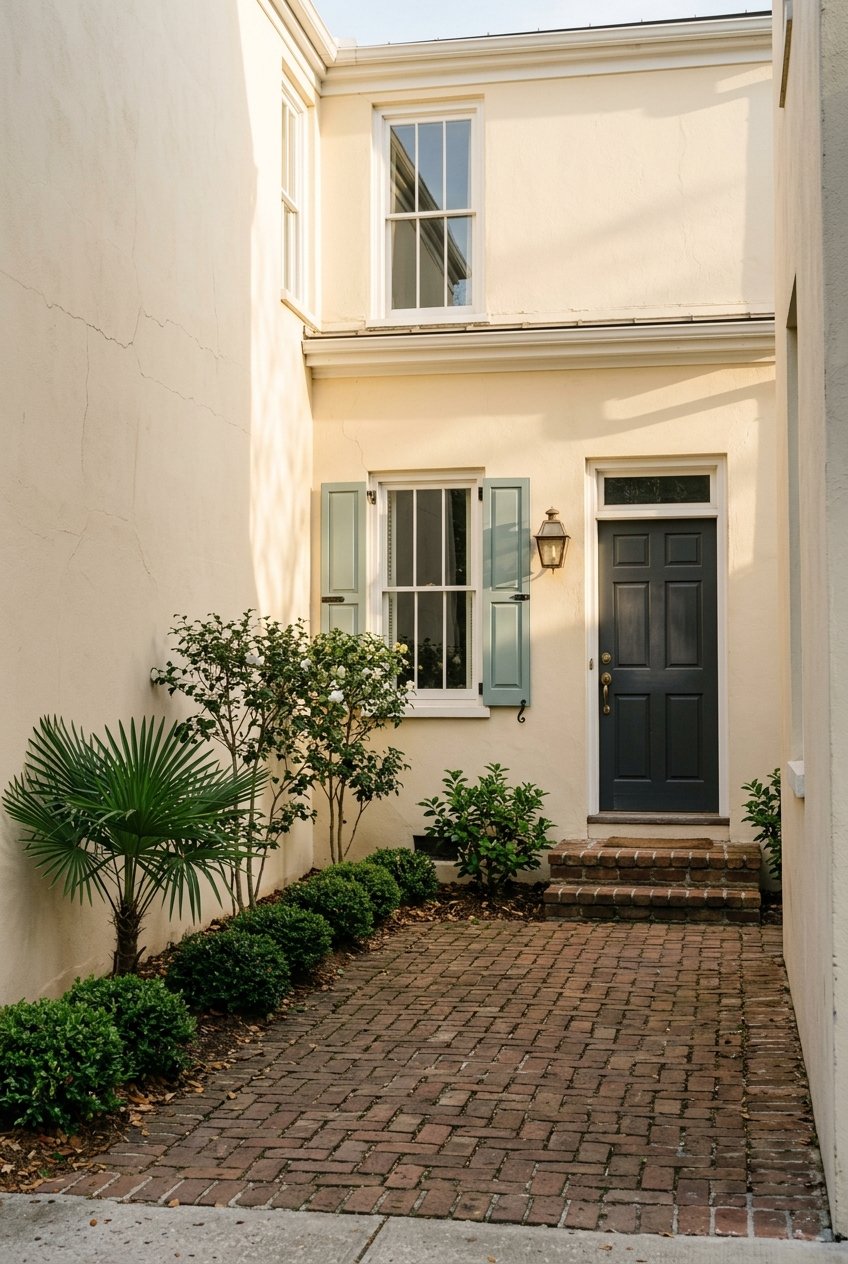
Downtown Summerville is the clearest example of that balance. It has a compact core where you can park once and walk between shops, coffee spots, history, and green space.
The town also has recurring community events and outdoor amenities that shape everyday life. Local highlights include Third Thursday events, a seasonal Saturday farmers market, Azalea Park, Doty Park, Wassamassaw Community Park, and the Sawmill Branch Trail, which is a paved walking and biking path just under seven miles long.
If you want a suburb with a recognizable center and a steady rhythm of local activity, Summerville checks that box well. If you want a more urban routine where most errands happen on foot across the entire community, it may feel more car-dependent than you want.
Housing in Summerville
Detached homes lead the market
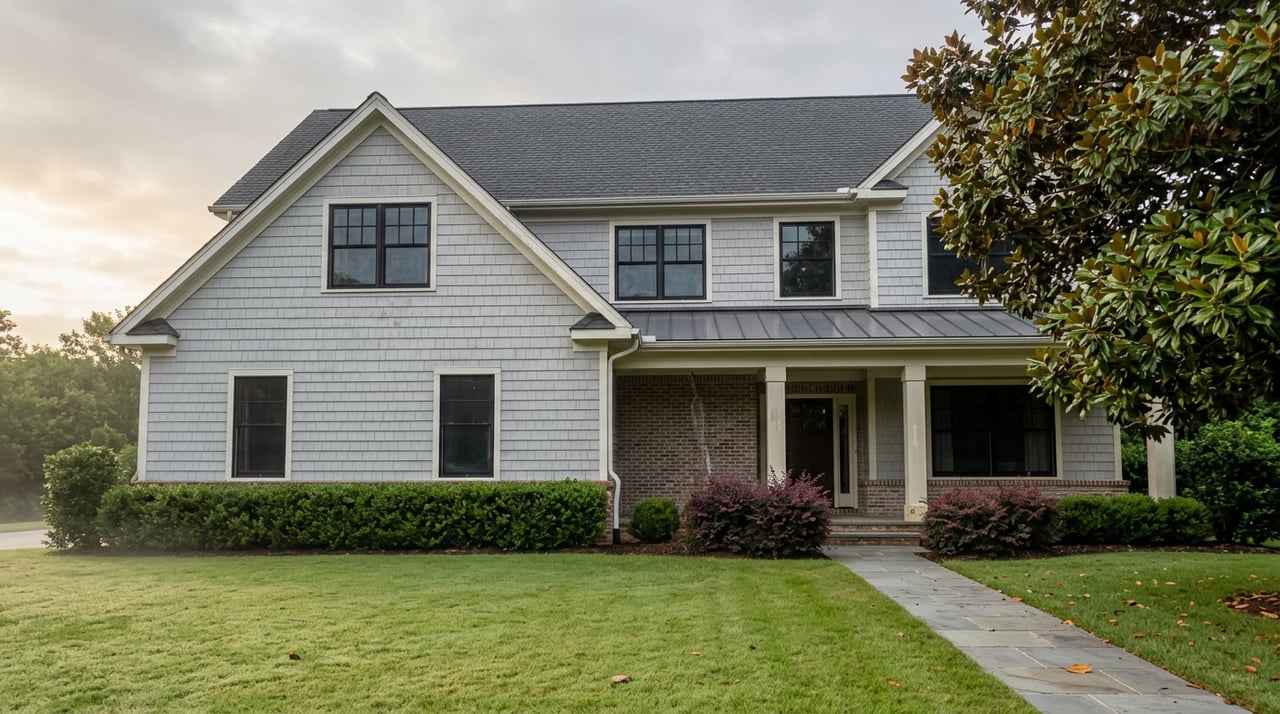
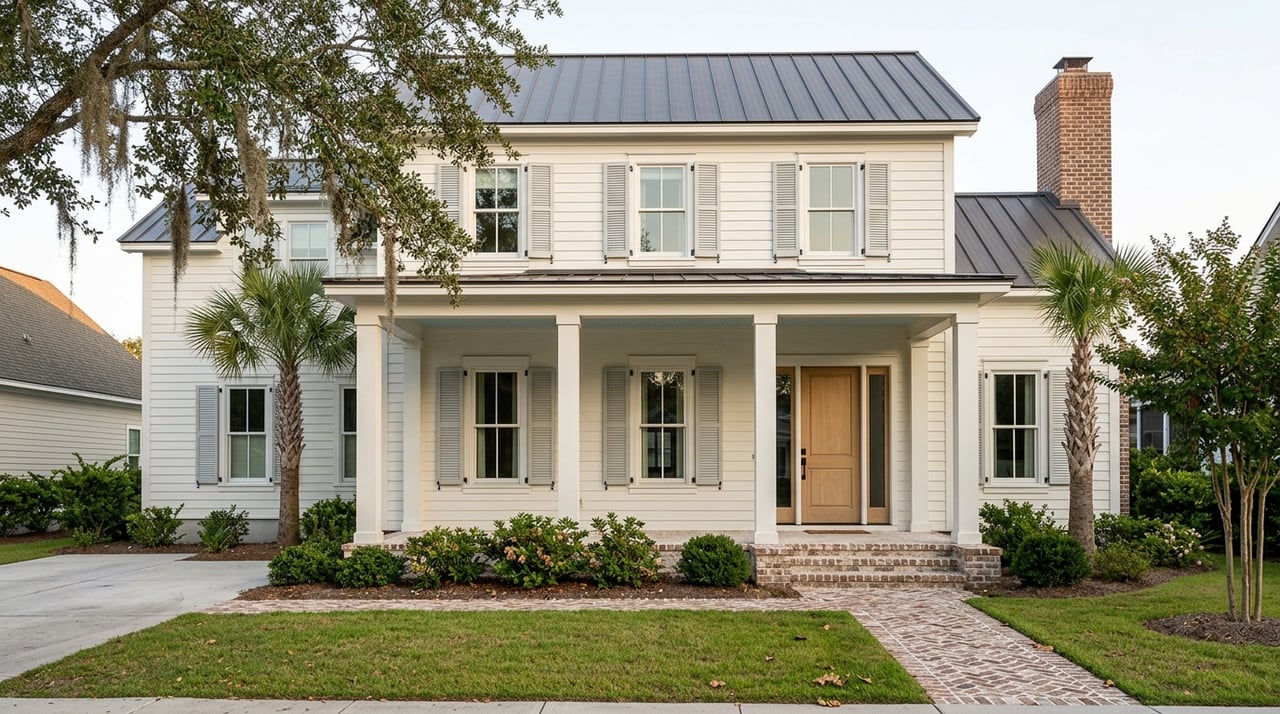
If you are searching for a traditional suburban home, Summerville is likely to feel familiar. The housing stock is dominated by detached single-family homes, which make up 62.1% of units according to the town’s 2025 to 2029 draft Consolidated Plan.
Other housing types are present, but they play a smaller role. The same plan shows 6.5% one-unit attached homes, 5.7% two-to-four-unit properties, 15.9% in buildings with 5 to 19 units, 4.8% in 20-plus-unit properties, and 5.0% mobile homes or other housing types.
That mix matters when you start your home search. In practical terms, Summerville is more likely to offer detached homes and planned subdivisions than a condo-heavy market.
Home sizes often support longer-term living
Summerville also leans toward larger owner-occupied homes. According to the draft Consolidated Plan, 91.9% of owner-occupied units have three or more bedrooms.
That can be helpful if you need flexible space for guests, a home office, hobbies, or future plans. It also supports the area’s appeal for buyers who want room to grow without moving into Charleston or Mount Pleasant price levels.
How Summerville compares on price
For many buyers, Summerville stands out because it can offer more house for the money than some of the Charleston area’s most expensive markets. Recent market data places Summerville in the mid-$300,000s.
Redfin reported a median sale price of $360,000 in March 2026, with homes averaging about 109 days on market and roughly one offer on average. Zillow showed a median sale price of $367,617 as of December 31, 2025, and a median list price of $399,963 as of January 31, 2026.
Nearby suburban comparisons help frame that range. In March 2026, median sale prices were about $317,500 in Ladson, $370,000 in Goose Creek, and $405,000 in North Charleston, while Charleston proper was $685,000 and Mount Pleasant was $880,000.
The sources and dates are not identical, so these numbers are best used directionally. Still, they show Summerville sitting far below Charleston and Mount Pleasant, while landing near Goose Creek and above Ladson.
Commute and transportation
Before you fall in love with the charm, it is important to think honestly about your daily drive. Summerville’s average commute time is 31.2 minutes for workers age 16 and older.
That means many residents live a regional commuting lifestyle rather than a close-in urban one. The town’s planning efforts focus heavily on road connections, congestion relief, and regional mobility improvements, including work tied to the Berlin G. Myers Parkway extension and coordination with TriCounty Link, the Berkeley-Charleston-Dorchester Council of Governments, and Lowcountry Rapid Transit.
Downtown is the most walkable part of town, but the larger transportation pattern is still road-centered. If you are comfortable driving for work, errands, and activities, that may feel normal. If you want a transit-first or mostly car-free routine, Summerville may be less natural fit.
Who Summerville fits best
Buyers who want value near Charleston
Summerville is often a strong option if you want to stay in the Charleston metro while keeping your budget farther from Charleston and Mount Pleasant pricing. For many buyers, that value equation is the starting point.
You may be able to find more interior space, more yard, or a newer home than you would in some closer-in coastal markets. That can be especially appealing if you are relocating and trying to make every dollar count.
Buyers who like a true town center
Not every suburb has a visible heart. Summerville does, and that can make a difference in how connected a place feels.
If you enjoy local events, a downtown stroll, nearby parks, and a community that feels established rather than purely new-build, Summerville offers a lifestyle layer that many suburban buyers want. It feels more rooted than a place built only around subdivisions and roads.
Buyers who prefer detached homes
Because detached single-family housing makes up the majority of the stock, Summerville tends to suit buyers looking for a more traditional home search. If you are hoping for a neighborhood with standalone homes and larger floor plans, you will likely find more options here than in a condo-led market.
That said, your exact fit will still depend on budget, age of home, and location within the area. A local guide can help you compare older established sections with newer planned communities.
When Summerville may not be the best fit
No suburb is ideal for everyone, and Summerville comes with trade-offs. The biggest one is transportation.
If your top priority is a shorter commute or a more urban daily rhythm, you may want to compare other Charleston-area locations. Summerville’s downtown is compact and walkable, but daily life across the broader area still tends to revolve around driving.
You may also want to explore other options if you specifically want a condo-heavy market or a transit-centered routine. Summerville offers plenty of strengths, but it does not try to be downtown Charleston.
A smart way to evaluate Summerville
The best way to decide if Summerville is right for you is to compare your real daily needs with the town’s real-world pattern. Start with these questions:
- Do you want more house for the money than Charleston or Mount Pleasant typically offers?
- Are you comfortable with a commute that is manageable, but not especially short?
- Do you like the idea of a suburb with a historic core, parks, and recurring local events?
- Are you mainly looking for a detached home rather than a condo-centric search?
- Do you want a community that feels established and owner-occupied?
If you answer yes to most of those, Summerville may deserve a serious look. If not, another Charleston-area suburb could line up better with your lifestyle.
Why local guidance matters
Summerville is not one-size-fits-all. Even within the area, your experience can vary based on home type, price point, commute route, and how close you want to be to downtown amenities.
That is where thoughtful local guidance makes a difference. With a boutique, relationship-first approach and deep Charleston-area experience, Ever Haus Properties helps you look beyond the listing photos and focus on how a location will support your day-to-day life.
If you are weighing Summerville against other Charleston suburbs, the right strategy is not just finding a home. It is choosing the place that fits your budget, routine, and long-term plans with clarity and confidence.
When you are ready to talk through your options, connect with Erin Hanhauser for personalized guidance tailored to your move.
FAQs
Is Summerville, South Carolina, a good fit for buyers moving to the Charleston area?
- Summerville is often a strong fit if you want more house for the money than Charleston or Mount Pleasant, plus a suburban setting with a historic downtown, parks, and community events.
What kind of housing is most common in Summerville, South Carolina?
- Detached single-family homes are the most common housing type in Summerville, making up 62.1% of the housing stock in the town’s 2025 to 2029 draft Consolidated Plan.
How expensive are homes in Summerville compared with other Charleston suburbs?
- Recent data places Summerville home prices in the mid-$300,000s, generally above Ladson, near Goose Creek, below North Charleston, and well below Charleston and Mount Pleasant.
What is the commute like from Summerville, South Carolina?
- Summerville’s average commute time is 31.2 minutes, so it generally works best for buyers who are comfortable with a road-centered, regional commute.
Can you walk around Summerville for daily errands and activities?
- Downtown Summerville is the most walkable area, but the town overall is still largely car-dependent for work, errands, and day-to-day movement.
How do you check school zoning for a home in Summerville, South Carolina?
- School zoning should be verified by address using Dorchester School District Two’s boundary lookup, since attendance areas can vary by specific property.